Treatment for non muscle invasive bladder cancer
Chemotherapy is an anti cancer (cytotoxic) drug which destroys cancer cells.
For non muscle invasive bladder cancer, you have chemotherapy directly into your bladder through a flexible tube called a catheter. This is called intravesical chemotherapy.
Intravesical chemotherapy is different to chemotherapy treatment for muscle invasive bladder cancer. Muscle invasive means the cancer has spread into or through the muscle layer of the bladder.
Read about chemotherapy for muscle invasive bladder cancer
Your treatment plan depends on your risk of the bladder cancer spreading or coming back after treatment. Your doctor will tell you whether you have:
low risk non muscle invasive bladder cancer
intermediate risk non muscle invasive bladder cancer
high risk non muscle invasive bladder cancer
Find out more about risk groups for non muscle invasive bladder cancer
You can have chemotherapy into your bladder as a one off treatment (single dose). You have it after a trans urethral resection of your bladder tumour (TURBT). For low risk non muscle invasive bladder cancer, this is often all the treatment you need.
If you have a moderate (intermediate) risk of your cancer coming back, you may have a course of chemotherapy. This usually means having chemotherapy into your bladder once a week for about 6 weeks. You may continue having chemotherapy into your bladder once a month for up to a year. This is called maintenance treatment.
You might also have a course of chemotherapy if your cancer comes back after the initial TURBT and chemotherapy treatment.
Shortly after having a TURBT, your doctor or specialist nurse puts the chemotherapy into your bladder. They may do this while you are still in the operating theatre. Or you have it when you return to the ward.
For a course of chemotherapy, you usually have treatment at the cancer day clinic.
Before each treatment your nurse will test a sample of your urine to check for infection. If you have an infection, your doctor may delay your treatment until after you have finished a course of antibiotics.
Before you have the chemotherapy drug, you need to reduce the amount you drink. This is so you make less urine for a time. This is to:
prevent the chemotherapy drug becoming too dilute in your bladder
make it easier for you to hold the chemotherapy drug in your bladder for a certain length of time
Your hospital will tell you when to limit or stop drinking before your treatment.
You have the chemotherapy through a . This goes into your bladder through the urethra. The urethra carries urine from the bladder out of the body.
Your doctor or specialist nurse slowly puts the chemotherapy drug into your bladder through the catheter.
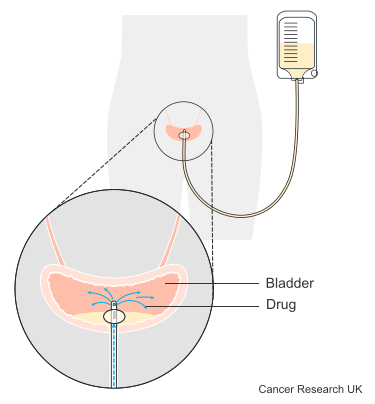
They may then remove the catheter. Or they might leave it in and clamp it.
If they remove the catheter you have to try not to pass any urine for the next hour. This gives the chemotherapy drug time to be in contact with the lining of the bladder. You can move around as usual.
You then pass urine naturally to get rid of the chemotherapy drug. Or your nurse may drain it out through the catheter.
Some hospitals allow you to go home with the chemotherapy in your bladder. For example, if you live close by. Your team will let you know if you can do this.
There are different types of chemotherapy drugs. For intravesical chemotherapy, the most common drug is mitomycin C.
Sometimes, doctors might use other chemotherapy drugs such as epirubicin or gemcitabine.
Find out more about these cancer drugs
Your doctor or specialist nurse will explain what to expect when you go home and if there are any precautions you need to take. The advice can vary slightly between hospitals.
You need to drink lots of fluid (2-3 litres a day) for the first few days after this treatment. It helps clear the chemotherapy from your bladder. Avoid caffeinated drinks, fizzy drinks and alcohol as these can irritate the bladder.
You have to be careful when you pass urine so that you don't get it on your skin. Men should sit down to pass urine to reduce the chance of splashing. The urine contains some chemicals from the chemotherapy which could irritate your skin.
You get fewer side effects having chemotherapy into your bladder than you would having chemotherapy into a vein. This is because the drug tends to stay in your bladder. So very little of it gets into your bloodstream.
Your doctor will discuss all the possible side effects with you before you have your treatment.
The side effects include:
Chemotherapy can irritate your bladder. You may feel as if you have a urine infection (). This can make you:
pass urine very often
pass urine with urgency
feel uncomfortable
feel some pain
You may have a small amount of bleeding. Contact the hospital immediately if:
the bleeding is getting worse
there are in your urine
you have severe pain when passing urine
you can't pass urine and have severe pain
You may get a rash on your hands or feet for a short time after having this treatment. Some skin rashes may get red, sore and swollen. Some people get severe itching. Contact your doctor if you get any of these symptoms.
Contact your doctor or nurse if you:
feel generally unwell
have severe pain
have cloudy or bad smelling urine
have a high temperature
There is a risk of having an to the chemotherapy. But this is rare. If it does happen, your nurse gives you medicines to control the reaction. Tell your doctor or nurse if you feel unwell at any time.
Find out more about coping with side effects
Having bladder cancer and its treatment can be difficult to cope with. Talk to your specialist nurse if you have any questions or concerns. For general information and support, you can call the Cancer Research UK information nurses on freephone 0808 800 4040 - Monday to Friday, 9am to 5pm. Bladder cancer resources and support organisations
Last reviewed: 18 Sept 2026
Next review due: 18 Sept 2029
BCG is a type of immunotherapy drug. For bladder cancer, you have BCG directly into the bladder (intravesical).
This surgery is usually the first treatment you have for non muscle invasive bladder cancer.
Your treatment options depend on the stage, type and grade of your bladder cancer. Treatments include BCG or chemotherapy into the bladder, surgery, radiotherapy, and chemotherapy into your bloodstream.
The main type of bladder cancer is urothelial bladder cancer. The stage tells you about the size of the cancer and whether it has spread. The grade means how abnormal the cells look under the microscope.
Coping with bladder cancer can be difficult. There are things you can do to help, and people who can support you practically and emotionally.
Bladder cancer starts in the inner lining of the bladder. The bladder stores urine and is in the lower part of your tummy (abdomen).

About Cancer generously supported by Dangoor Education since 2010. Learn more about Dangoor Education



Search our clinical trials database for all cancer trials and studies recruiting in the UK.

Connect with other people affected by cancer and share your experiences.

Questions about cancer? Call freephone 0808 800 40 40 from 9 to 5 - Monday to Friday. Alternatively, you can email us.
